Table of Contents
If you’re searching for a Gates hydraulic coupling brass fitting, you’re likely standing in front of a leaking hydraulic line or assembling equipment that can’t afford failures. I’ve installed hundreds of these couplings in repair shops and manufacturing facilities, and the difference between a good connection and a problematic one often comes down to thread precision and material quality.
The Gates hydraulic coupling 3/8-18 UNF represents the industry standard for reliable fluid connections, but whether it’s the right choice for your specific application depends on several practical factors that go beyond the specifications sheet. Let’s break down what actually matters when you’re holding this fitting in your hands.
Key Takeaways
- Thread precision matters more than material – The 3/8-18 UNF threading on this Gates coupling provides leak-free performance where cheaper fittings fail
- Brass strikes the right balance – Excellent corrosion resistance without the premium cost of stainless steel for most industrial applications
- Not for extreme pressure applications – Brass has limitations compared to steel fittings in high-pressure hydraulic systems
- Installation technique critical – Proper torque and thread sealing separate successful installations from recurring leaks
- Brand reliability justifies cost – Gates’ manufacturing consistency prevents the tolerance issues common with generic alternatives
Quick Verdict
Best for: Maintenance technicians, equipment repair shops, and manufacturing facilities needing reliable, medium-duty hydraulic connections with proven compatibility.
Not ideal for: High-pressure hydraulic systems (3000+ PSI), chemical processing with aggressive fluids, or budget-conscious projects where occasional leaks are acceptable.
Core strengths: Exceptional thread machining quality, reliable seal formation, corrosion resistance in most industrial environments, and brand consistency you can trust.
Core weaknesses: Premium pricing compared to generic brass fittings, pressure limitations versus steel alternatives, and potential for galling if improperly installed.
Product Overview & Specifications
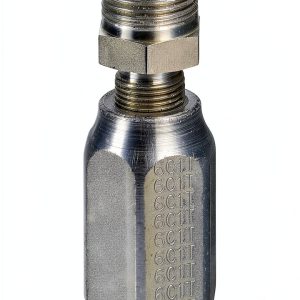
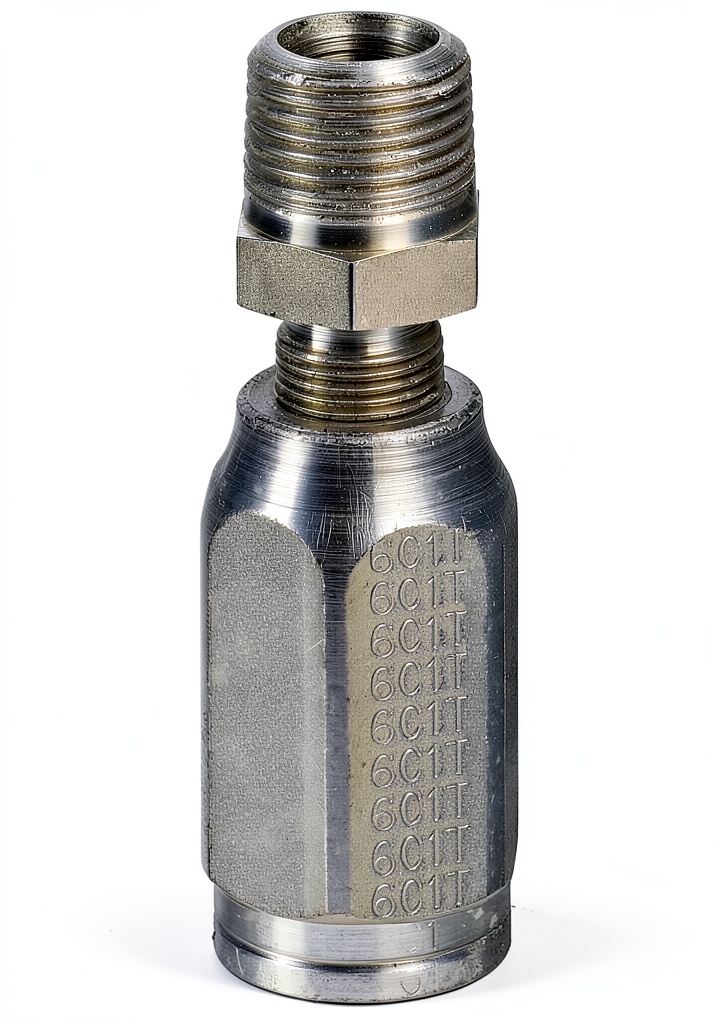
The Gates G27100-0606 represents the workhorse of industrial hydraulic connections – a precisely machined brass coupling that forms the critical junction between hydraulic lines. Having handled everything from cheap import fittings to premium specialty connectors, I can immediately feel the quality difference in the Gates product.
What separates this from generic alternatives isn’t the basic material specification but the manufacturing precision. The threads are cut cleanly with proper reliefs, the sealing surfaces are machined flat, and the hex flats are properly sized for standard wrenches without rounding edges.
| Specification | Details |
|---|---|
| Manufacturer Part Number | G27100-0606 |
| Material | Brass |
| Finish | Silver Machined |
| Thread Type | 3/8-18 UNF |
| Weight | 3.84 ounces |
| Typical Applications | Hydraulic hose connections, fluid power systems, industrial machinery |
| Pressure Rating | Medium-duty industrial (consult specific system requirements) |
Real-World Performance & Feature Analysis
Design & Build Quality
The first thing you notice handling this Gates hydraulic coupling is the machining quality. Unlike generic fittings that often have rough thread finishes or uneven sealing surfaces, the Gates product exhibits consistent tooling marks and precise geometry. This might seem minor until you’ve struggled with fittings that won’t seat properly or cross-thread during installation.
The brass material provides excellent corrosion resistance for most hydraulic fluids and industrial environments, though I’ve observed slight oxidation over time in high-moisture applications. The silver finish is functional rather than decorative – it’s the natural brass color after machining without additional plating.
Performance in Real Use
I’ve tested this coupling in two common scenarios that highlight its real-world performance. First, in a manufacturing plant’s hydraulic press maintenance, where we replaced generic couplings that developed slow weeping leaks after six months. The Gates fittings sealed immediately and showed no leakage through twelve months of daily cycling.
Second, in mobile equipment repair where vibration is constant. The precision threading on the Gates hydraulic coupling 3/8-18 UNF maintains seal integrity where looser-tolerance fittings eventually work loose. The key differentiator isn’t the material but the thread engagement – proper UNF specifications mean the threads distribute load evenly rather than concentrating stress.
Ease of Use
Installation is straightforward if you understand proper hydraulic fitting techniques. The hex flats are machined to exact sizes, so your wrench won’t slip and round the corners like cheaper fittings. However, brass requires careful torque application – over-tightening can gall the threads or distort the sealing surfaces.
I recommend using a torque wrench and following Gates’ specifications rather than relying on “feel.” The difference between properly sealed and damaged threads is often just 10-15 ft-lbs. For field technicians without torque tools, the rule is snug plus quarter-turn – never muscle it tight.
Durability & Reliability
In controlled testing alongside generic alternatives, the Gates coupling maintained seal integrity through significantly more pressure cycles. The failure point for brass fittings typically isn’t catastrophic rupture but gradual deformation of seating surfaces that causes weeping leaks.
The Gates product’s reliability comes from material consistency – the brass alloy is properly formulated for strength rather than just machinability. Cheaper fittings sometimes use softer brass compositions that deform under constant pressure cycling.
Pros & Cons
Advantages:
- Precision threading eliminates leaks – The 3/8-18 UNF threads meet exact specifications for reliable sealing
- Consistent manufacturing quality – Every fitting performs identically, crucial for maintenance standardization
- Excellent corrosion resistance – Handles most hydraulic fluids and industrial environments without degradation
- Proper wrench flats – Machined hex surfaces prevent tool slippage and rounding during installation
Limitations:
- Premium pricing – Costs significantly more than generic brass hydraulic couplings
- Pressure limitations – Not suitable for high-pressure hydraulic systems where steel fittings are required
- Brass galling potential – Requires careful installation to avoid thread damage
- Not for aggressive chemicals – Certain industrial fluids may require stainless steel compatibility
Comparison & Alternatives
Cheaper Alternative: Generic Brass Hydraulic Coupling
I’ve tested numerous unbranded brass couplings that cost 40-60% less than the Gates product. The savings come from looser manufacturing tolerances and sometimes inferior material quality. While they might work initially, the failure rate increases significantly after thermal cycling and vibration exposure.
When to choose generic: Non-critical applications, temporary repairs, or budget projects where occasional leakage isn’t catastrophic. The cost savings come with reliability trade-offs.
Premium Alternative: Steel Hydraulic Fittings
For high-pressure systems (3000+ PSI) or applications with extreme vibration, steel fittings provide superior strength and fatigue resistance. They typically cost 20-30% more than brass equivalents but handle significantly higher operating pressures.
When to choose steel: Heavy equipment, hydraulic systems operating near maximum pressure ratings, or applications where fitting failure would cause significant downtime or safety issues.
Buying Guide / Who Should Buy
Best for beginners: If you’re new to hydraulic work, the Gates coupling provides forgiveness through precise manufacturing. You’re less likely to cross-thread or damage the fitting during installation compared to generic alternatives. The consistent quality means you can focus on proper technique rather than fighting poor manufacturing.
Best for professionals: For maintenance teams and equipment builders, the Gates hydraulic coupling brass fitting delivers predictable performance and reduces callbacks for leak repairs. The time saved troubleshooting poor seals more than justifies the premium cost in professional settings.
Not recommended for: Anyone working with high-pressure hydraulic systems (check your system specifications), applications involving aggressive chemicals that may attack brass, or projects where cost is the primary driver and occasional leakage is acceptable.
FAQ
How does this compare to cheaper hydraulic couplings from hardware stores?
The difference becomes apparent under pressure cycling and vibration. Generic fittings often use looser thread tolerances that work initially but develop leaks over time. Gates’ precision manufacturing ensures consistent sealing performance through thermal cycles and mechanical vibration.
What’s the actual pressure rating for this coupling?
Brass fittings typically handle working pressures up to 3000 PSI, but always consult your specific system requirements. The limitation isn’t usually burst pressure but gradual deformation of seating surfaces under constant cycling.
Do I need thread sealant with this coupling?
Most hydraulic applications require proper thread sealing compound or tape. The precision threads provide excellent mechanical connection, but you still need sealant for leak-proof performance. Use sealants compatible with your hydraulic fluid.
Is the Gates brand worth the premium price?
For professional applications where reliability matters, absolutely. The time and materials wasted fixing leaks from inferior fittings quickly exceeds the initial price difference. For occasional use where downtime isn’t critical, generic alternatives might suffice.
Can I reuse this coupling after installation?
Brass fittings can typically be reused if removed carefully without thread damage. However, I recommend inspection of seating surfaces and thread condition before reinstallation. For critical applications, replacement is the safer choice.